


What Is a Dental Filling? When Is It Needed and How Much Does It Cost?
Dental fillings are a restorative treatment used to repair tooth structure damaged by tooth decay, chips, fractures, or wear, helping restore the tooth’s shape and chewing function.
It is one of the most common dental procedures and can be suitable for a wide range of dental conditions.
1. What is a dental filling?
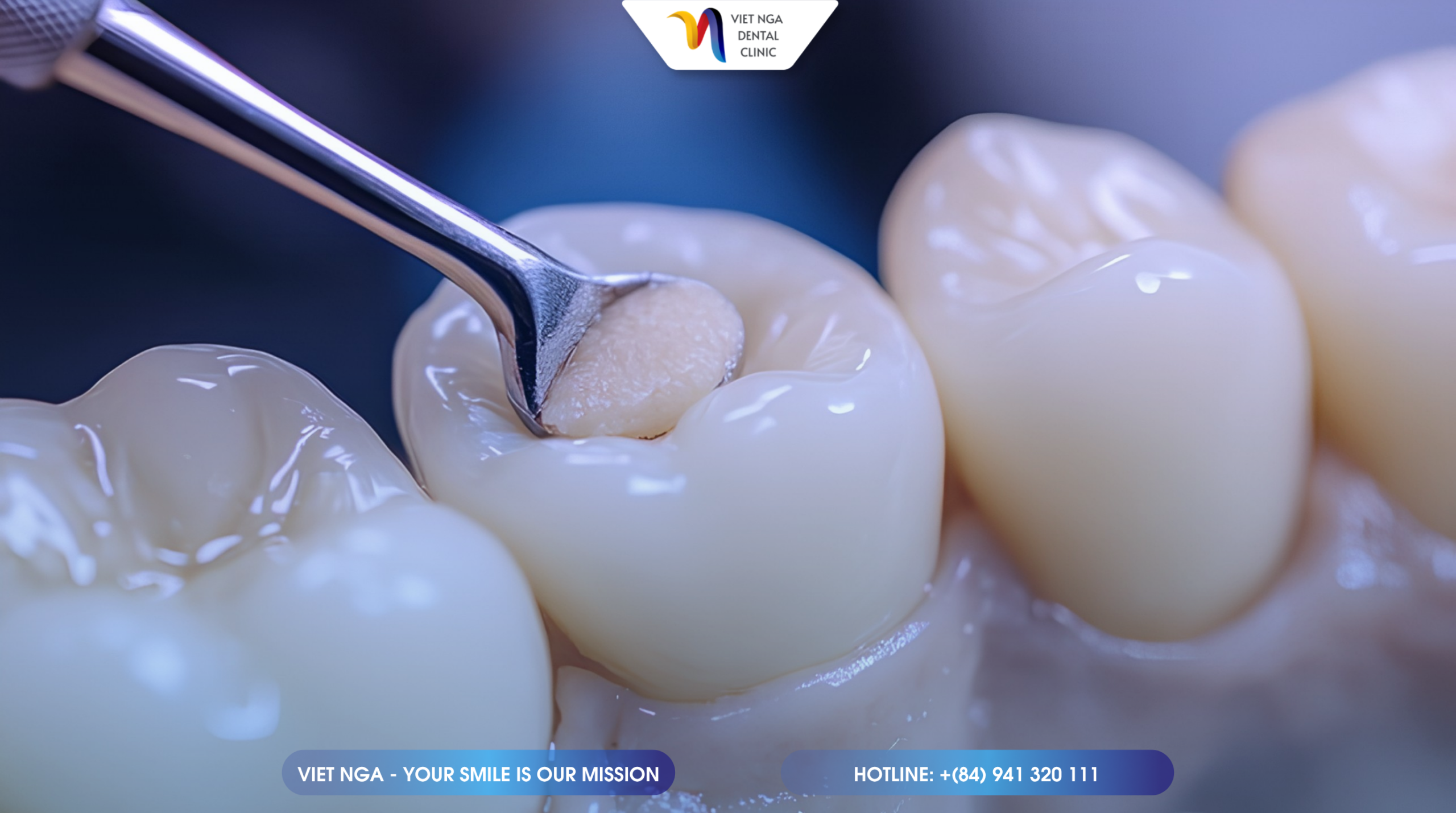
A dental filling is a restorative technique that uses specialized dental materials to fill areas of tooth structure lost due to decay, chipping, or wear, helping restore the tooth’s natural shape and function.
After removing and cleaning the damaged tooth structure, the dentist places the filling material into the affected area and shapes it to closely resemble the natural tooth.
Dental fillings not only help improve the appearance of the tooth but can also prevent the damage from progressing and reduce the risk of affecting the dental pulp if left untreated.
2. When is a dental filling needed?
2.1 Tooth decay
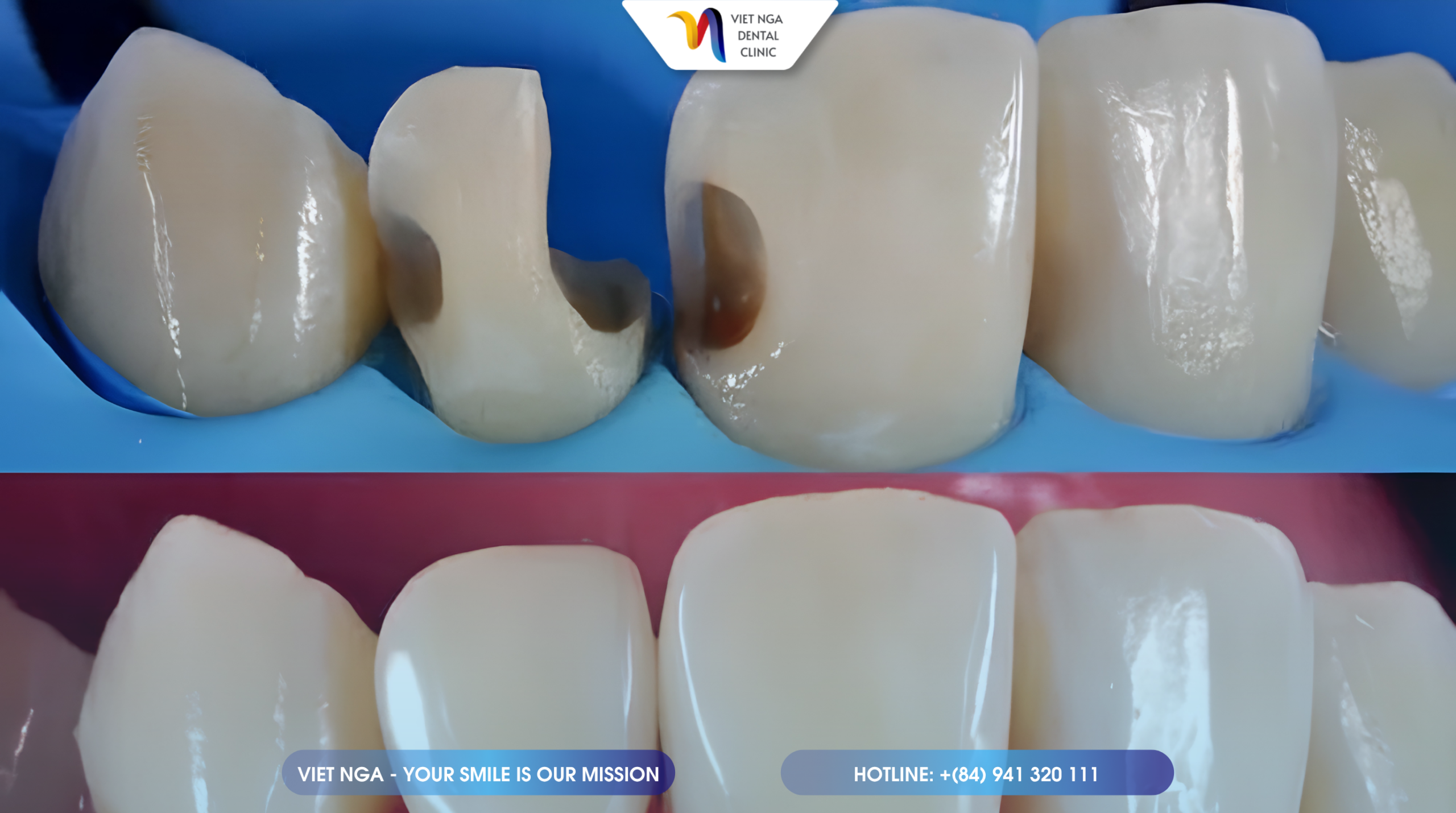
This is the most common reason for getting a dental filling.
When bacteria damage the enamel and create a cavity, filling the tooth helps remove the diseased tissue and restore the tooth surface before the damage progresses deeper.
2.2 Minor chips or fractures
A tooth may chip due to an impact, biting down on something hard, or pre-existing weakness.
For minor chips or fractures that have not affected the dental pulp, a filling can provide a quick and minimally invasive restorative solution.
2.3 Tooth wear at the gumline
The gumline — the area where the crown of the tooth meets the gums — can become worn over time due to excessive brushing force, teeth grinding, or other factors.
Wear at the gumline can cause tooth sensitivity and may require a filling to protect the tooth structure and reduce sensitivity.
3. Common dental filling materials
3.1 Fuji 9 fillings
This is a group of filling materials with the ability to release fluoride.
They are commonly considered for cases where additional protection is beneficial, particularly for primary teeth or teeth at a higher risk of recurrent decay.
3.2 Composite fillings
Composite is a tooth-colored filling material that closely matches the appearance of natural teeth. It is widely used for aesthetic fillings in visible areas, as well as for treating gumline wear and various degrees of tooth decay.
The choice of filling material is determined by the dentist based on the tooth’s location, extent of damage, and the patient’s specific oral health condition.
4. Does getting a dental filling hurt?
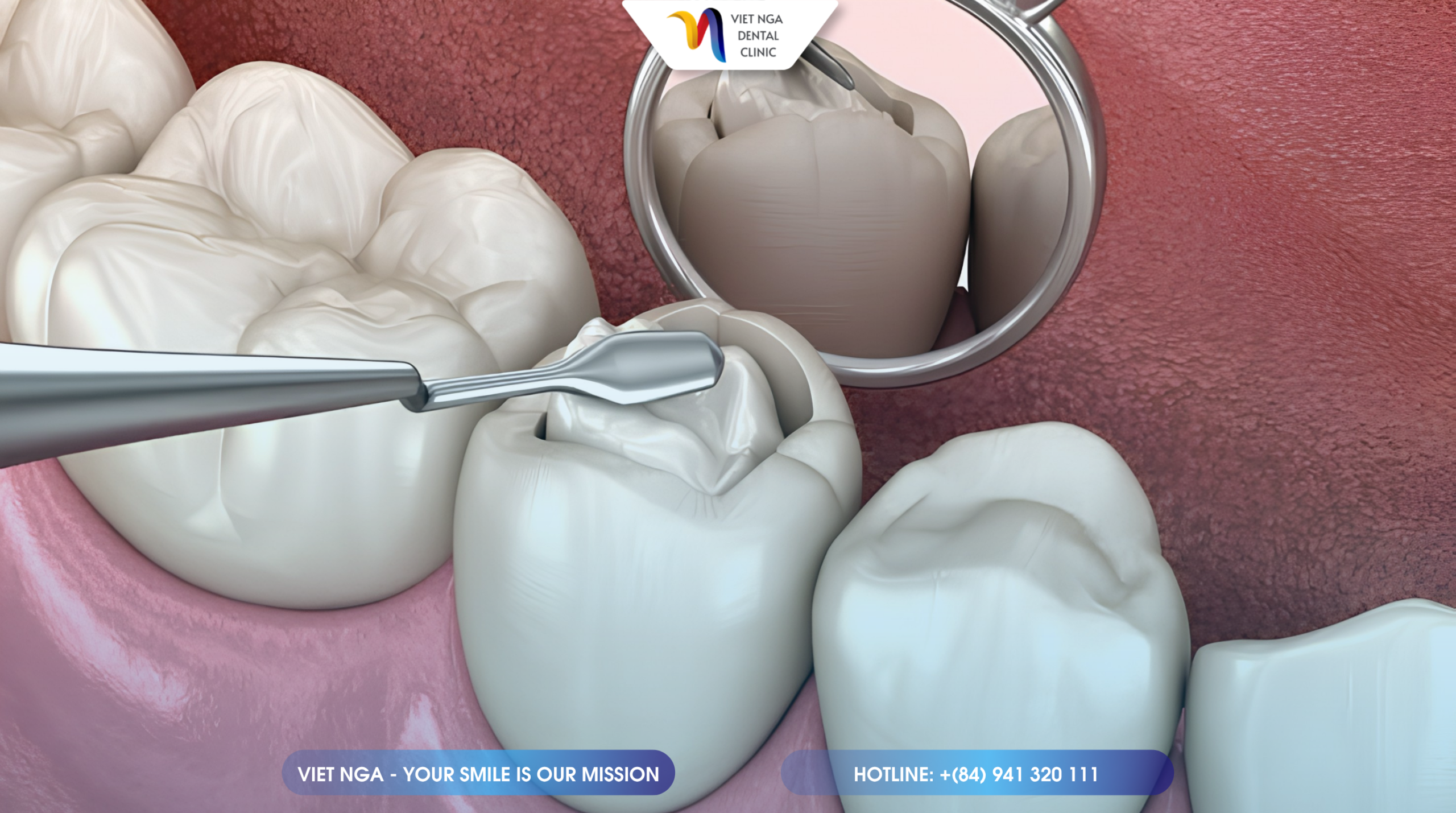
For cases where tooth decay has not reached the dental pulp, a filling is generally a simple procedure that causes little discomfort.
In some cases, such as when the cavity is close to the pulp or the tooth is particularly sensitive, the dentist may consider using local anesthesia to make the procedure more comfortable.
Mild sensitivity after a filling — particularly when consuming hot or cold foods and drinks — may occur during the first few days and usually gradually subsides.
5. What does the dental filling procedure involve?
- Examination and diagnosis — the dentist assesses the extent of the damage and determines the location and depth that need to be treated.
- Removal of decayed/damaged tooth structure — the affected tissue is removed before the filling is placed.
- Placement of the filling material — the material is placed into the affected area and shaped to match the natural contours of the tooth.
- Bite adjustment and finishing — the filling is adjusted to ensure it does not feel high or interfere with normal chewing.
How long do dental fillings last?
The longevity of a filling depends on several factors, including the tooth’s location, the amount of chewing force it is exposed to, the type of filling material used, and oral hygiene habits afterward.
In general, fillings should be checked regularly by a dentist to identify early signs of loosening, leakage, or recurrent decay around the filling.
7. How to care for your teeth after a filling
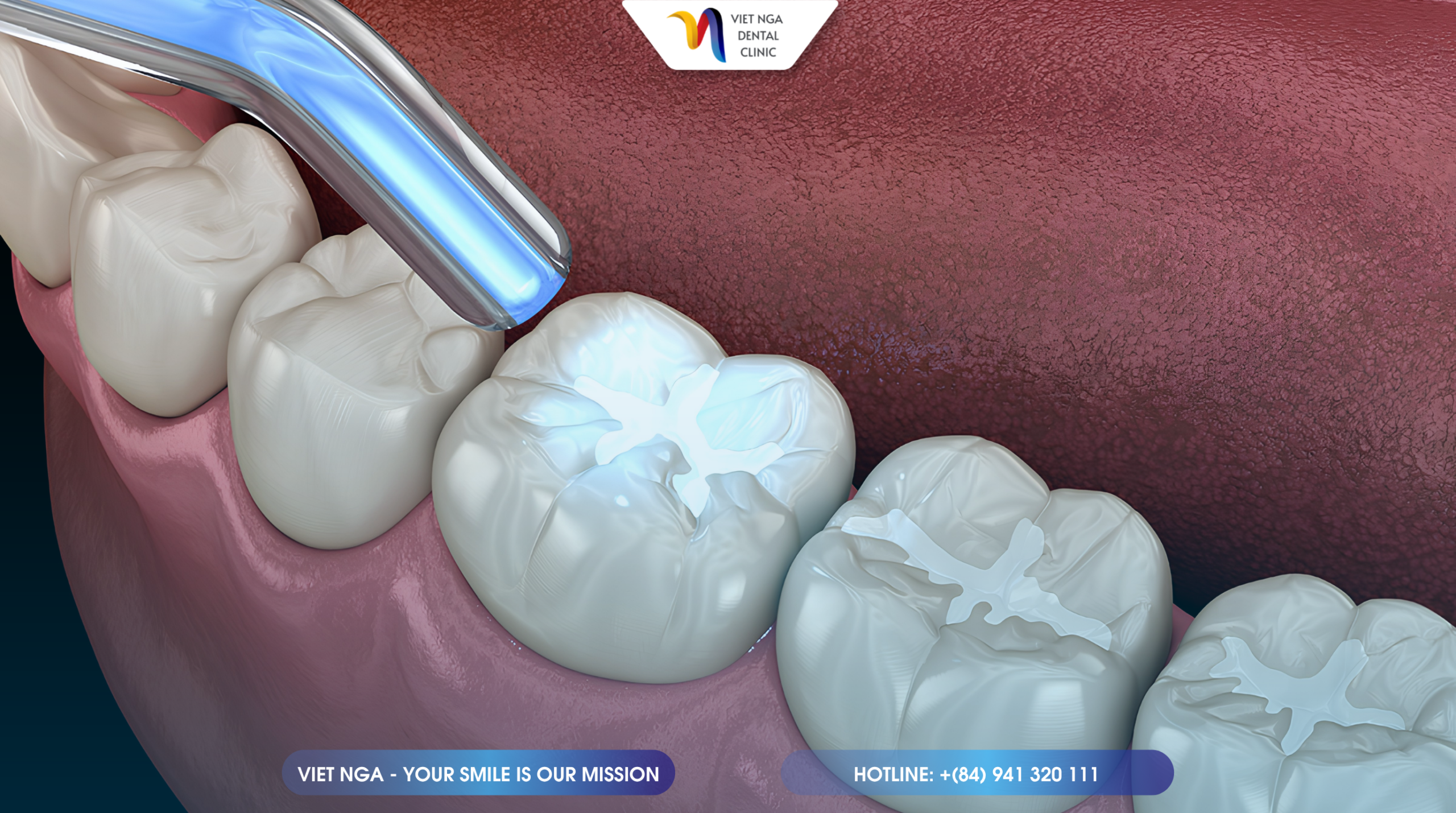
- Avoid heavy chewing on the newly filled tooth during the initial period
- Brush gently and avoid excessive pressure around a newly filled area at the gumline
- Avoid very hot, cold, or hard foods if the tooth remains sensitive
- Attend regular dental check-ups so your dentist can monitor the condition of the filling
8. Dental filling prices at Viet Nga Dental Clinic
Fuji 9 Dental Fillings
| Service | Unit | Price | Warranty |
|---|---|---|---|
| Fuji 9 filling for Grade I dentin caries | Tooth | 200,000 VND | 1 year |
| Fuji 9 filling for Grade II dentin caries | Tooth | 300,000 VND | 1 year |
Composite Dental Fillings
| Service | Unit | Price | Warranty |
|---|---|---|---|
| Filling for gumline wear | Tooth | 300,000 VND | 1 year |
| Filling for decay extending into the dentin | Tooth | 300,000 VND | 1 year |
| Filling for dentin caries and Class II cavity | Tooth | 400,000 VND | 1 year |
Price List is applicable at the time of publication and may be updated by Việt Nga from time to time. Please contact us directly to confirm the current pricing.
9. When is a filling no longer enough and root canal treatment is needed?
If tooth decay has progressed into the dental pulp — causing persistent toothache, severe sensitivity, or pain when biting — a conventional filling may no longer be sufficient to treat the problem effectively.
In such cases, the dentist will evaluate the tooth and may recommend root canal treatment before restoring the tooth.
Earth examination can help identify problems in time and prevent tooth decay from progressing to a more complex stage.
In addition, long-standing tartar buildup can sometimes obscure early signs of tooth decay. Regular scaling allows the dentist to examine the teeth more clearly and detect areas that may require fillings at an earlier stage.
Why Choose Viet Nga for Early Dental Fillings?
At Việt Nga, we place emphasis on a thorough examination before performing a filling.
This helps determine the extent of the damage accurately and select the appropriate material for each individual case, rather than applying the same approach to every patient.
Treating a cavity while it is still small can also help reduce the risk of requiring more complex and costly root canal treatment later on.
Book a consultation and dental filling appointment at:
Clinic 01 — 113 Nguyen Van Troi Street, Vung Tau Ward — Hotline: 0941 320 111
Clinic 02 — Chi Linh DIC Urban Area, D1 Nguyen Huu Canh Street (opposite Seaview 1) — Hotline: 0857 168 279
[Book a Consultation] · [Contact Viet Nga for a Personalized Dental Assessment]

FREQUENTLY ASKED QUESTIONS
1. What is the difference between a dental filling and dental crowns?
Dental fillings are generally suitable for small to moderate areas of damage where a substantial amount of healthy tooth structure remains.
Dental crowns are more commonly considered when a tooth has extensive damage and requires full coverage for protection or restoration following treatments such as root canal therapy.
Your dentist will recommend the appropriate option after a direct examination.
2. What should I do if a filled tooth develops decay again?
If decay develops around an existing filling or the filling becomes loose or develops a gap, the tooth may need to be refilled to prevent bacteria from progressing deeper into the tooth.
Regular dental check-ups can help detect these issues early.
3. Can composite fillings change color over time?
Composite materials can experience changes in color over time depending on diet and oral hygiene habits, particularly with frequent consumption of strongly colored foods and beverages.
Maintaining good oral hygiene can help minimize discoloration.
4. Can children get fillings in their baby teeth?
Yes. Children may need fillings in their primary teeth if they develop tooth decay.
Treating the decay can help prevent it from spreading and preserve chewing function until the permanent teeth erupt. The dentist will assess the child’s specific dental condition before recommending treatment.