


Pediatric Dentistry: What Parents Need to Know
Healthy teeth and gums from an early age provide an important foundation for a child’s ability to chew, speak, and develop confidence as they grow.
This article helps parents better understand how to care for their child’s oral health, common dental problems in children, and when to schedule a dental visit.
1. Why Is Early Oral Care Important for Children?
Many parents assume that baby teeth do not require much care because they will eventually be replaced.
In reality, baby teeth play an important role in chewing, speech development, and maintaining space for permanent teeth to erupt properly.
If baby teeth become decayed or are lost prematurely without appropriate treatment, permanent teeth may erupt in the wrong position or become crowded.
In addition, developing good oral hygiene habits from an early age can help children maintain better oral health as they grow into adulthood.
2. When Should a Child Have Their First Dental Visit?
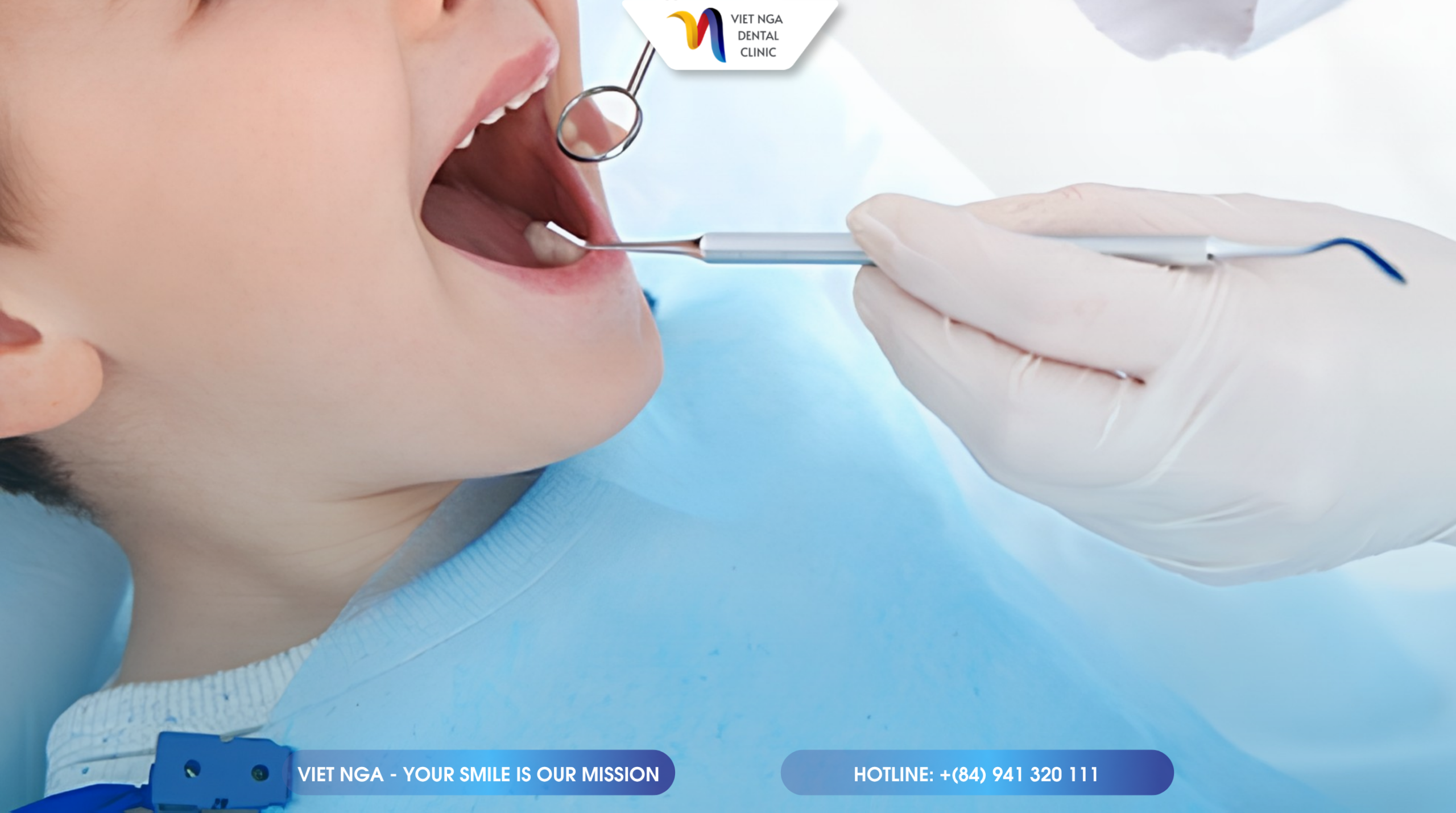
Taking your child for an early dental check-up, even when there are no obvious signs of dental problems, allows the dentist to monitor tooth development and identify potential issues at an early stage.
It also gives children an opportunity to become familiar with the dental environment from a young age, which can help reduce anxiety during future visits.
3. How Can Parents Help Prevent Tooth Decay in Children?
Age-Appropriate Oral Hygiene
For babies who have not yet developed teeth, parents can gently clean the gums with soft gauze after feeding.
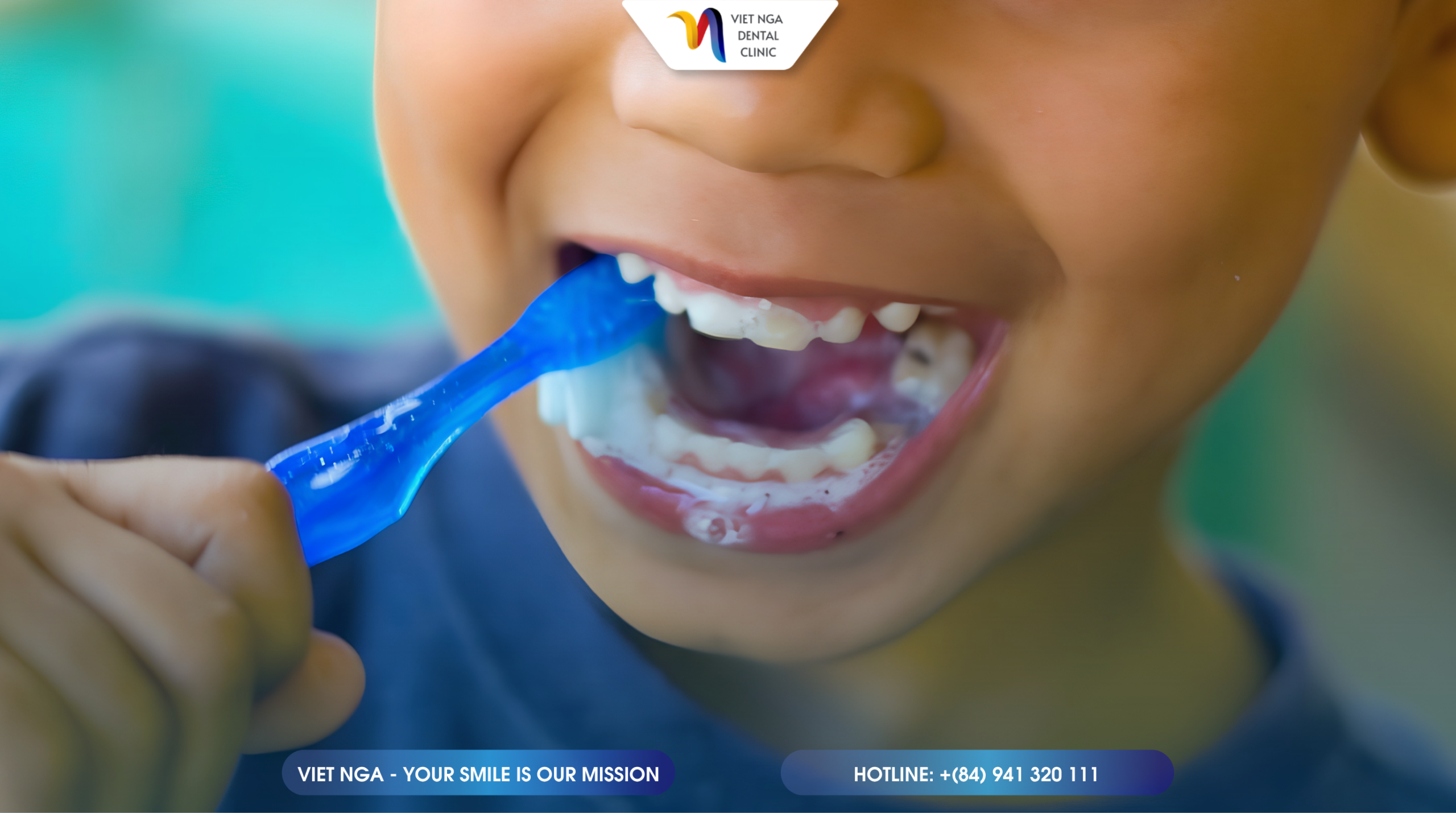
Once baby teeth begin to erupt, parents should brush their child’s teeth with a soft-bristled, age-appropriate toothbrush and use an appropriate amount of fluoride toothpaste according to the dentist’s guidance.
Eating Habits Affect Dental Health
Limit frequent snacking and sugary drinks throughout the day. In particular, avoid allowing children to fall asleep while continuously sucking on a bottle of milk or fruit juice
— this habit can significantly increase the risk of extensive tooth decay in young children.
4. Monitoring Tooth Development and Tooth Replacement
Baby Teeth and Their Role
Baby teeth usually begin to erupt at around 6 months of age and are generally fully erupted by approximately 2–3 years of age.
In addition to helping children chew, baby teeth help guide permanent teeth into their proper positions as they develop.
When Is Treatment Needed for Problems With Baby Teeth?
If a baby tooth has extensive decay, infection, or becomes unusually loose outside the normal tooth-replacement process, the child should be examined by a dentist.
The dentist can assess the condition and recommend appropriate treatment to help prevent the problem from affecting the developing permanent tooth underneath.
5. Common Dental Problems in Children
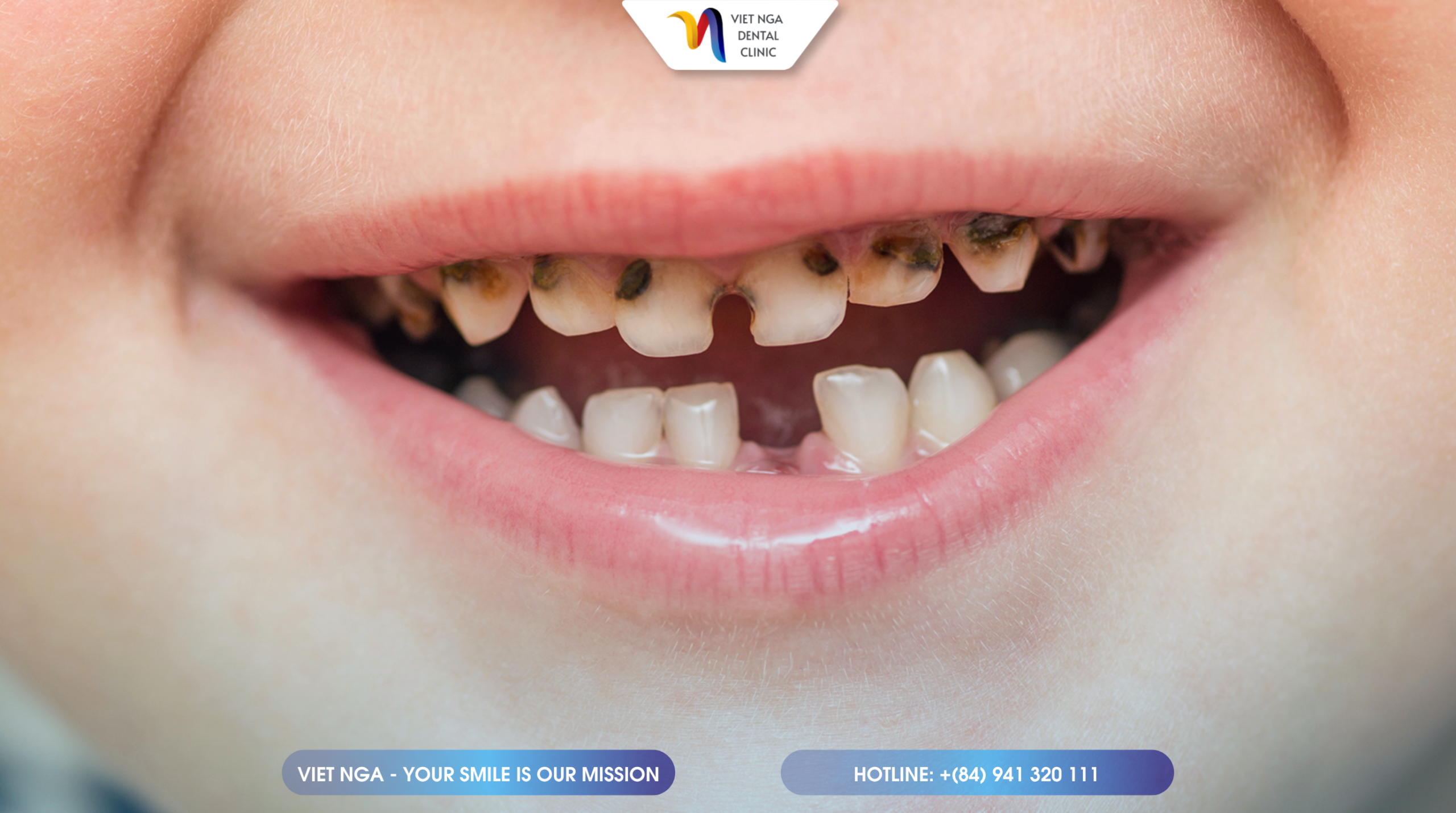
5.1 Tooth Decay in Baby Teeth
Tooth decay is one of the most common dental problems in young children and is often associated with frequent consumption of sugary foods or inadequate oral hygiene.
Although baby teeth are temporary, tooth decay should not be ignored. It can cause pain, interfere with eating, and in some cases affect the permanent teeth developing underneath.
5.2 Gingivitis in Children
Common signs include red, swollen gums that bleed easily when brushing. This is often related to inadequate oral hygiene and plaque buildup around the teeth.
5.3 Bottle Tooth Decay
Bottle tooth decay is a condition commonly seen in young children who frequently suck on bottles containing milk or sugary drinks for prolonged periods, especially while sleeping.
Sugar from milk or other drinks remains in prolonged contact with the teeth, creating favorable conditions for bacteria to grow. This can lead to rapidly progressing decay, particularly in the upper front teeth.
5.4 Crowded or Misaligned Teeth
Crowding and misalignment may be associated with genetic factors, premature loss of baby teeth, or prolonged habits such as thumb sucking and tongue thrusting.
These factors can affect the position of permanent teeth as they erupt.
5.5 Dental Injuries From Accidents
Young children are active, so dental injuries caused by falls, collisions, or other accidents are relatively common.
Parents should have their child examined promptly if a tooth becomes abnormally loose, chipped, fractured, or is accompanied by significant bleeding after an injury.
6. Habits That Can Negatively Affect Children’s Teeth
- Prolonged thumb sucking: May affect jaw development and tooth position if the habit continues beyond an appropriate age.
- Sleeping with a bottle or pacifier: May increase the risk of tooth decay due to prolonged exposure to sugars.
- Mouth breathing instead of nasal breathing: Over time, this may affect jaw development and tooth position.
- Teeth grinding during sleep: Some children grind their teeth. If this occurs frequently, it should be monitored and discussed with a dentist.
If your child continues to have any of these habits, parents should discuss them with a dentist to receive appropriate guidance on how to help the child gradually adjust the habit.
7. How Can Parents Help Children Feel Less Afraid of the Dentist?
Dental anxiety in children can develop from uncomfortable experiences or from adults unintentionally creating fear when talking about dental visits.
Here are some ways to help children feel more comfortable:
- Allow your child to become familiar with the dental clinic through simple routine check-ups before any treatment is needed.
- Avoid using dental visits as a way to “threaten” or scare your child in everyday situations.
- Explain the dental visit calmly using age-appropriate language before going to the clinic.
- Stay with your child throughout the visit to help them feel safe and supported.
8. The Role of Parents in Children’s Oral Health
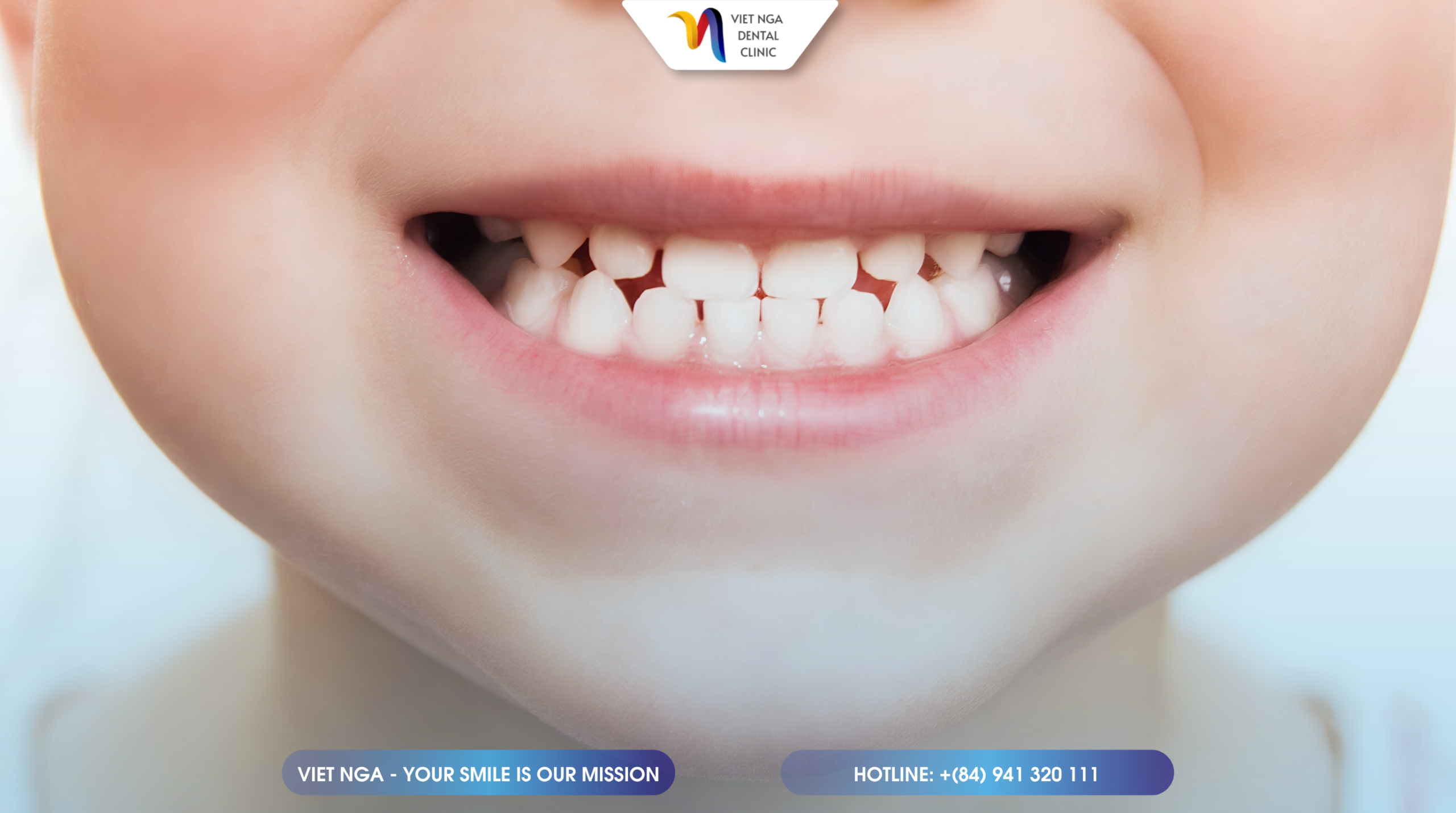
Parents are the most important partners in helping children develop healthy oral care habits
— from teaching them how to brush properly and managing their diet to scheduling regular dental check-ups rather than waiting until a problem develops.
Consistent parental support can have a lasting impact on a child’s oral health as they grow into adulthood.
When Should a Child See a Dentist Immediately?
Do not wait for the next routine appointment if your child has:
- Persistent tooth pain or unusual fussiness related to the mouth
- Swollen, red gums, pus, or unexplained bleeding
- Abnormally discolored teeth or obvious signs of tooth decay
- A dental or oral injury caused by a fall, collision, or other accident
- Baby teeth that become loose prematurely outside the normal tooth-replacement period
9. Pediatric Dental Service Fees at Viet Nga Dental Clinic
| Service | Unit | Price |
|---|---|---|
| Extraction of a naturally loose baby tooth | Tooth | 50,000 VND |
| Extraction of a baby tooth requiring local anesthesia | Tooth | 100,000 VND |
For other pediatric dental services, such as fillings or root canal treatment, the treatment plan and cost will be determined after the dentist examines the child’s actual dental condition.
Parents can also learn more about [Dental Fillings] and [Root Canal Treatment].
Growing With Your Child at Viet Nga Dental Clinic
At Viet Nga Dental Clinic, we aim to support parents throughout their child’s oral health journey — from their first routine dental visits to dental concerns that may arise as they grow.
Early and regular dental check-ups can help identify potential problems in a timely manner while helping children develop a positive attitude toward oral healthcare from an early age.
Schedule a dental appointment for your child at:
Viet Nga Dental Clinic 01 — 113 Nguyen Van Troi Street, Vung Tau Ward — Hotline: 0941 320 111
Viet Nga Dental Clinic 02 — Chi Linh DIC Urban Area, D1 Nguyen Huu Canh Street (opposite Seaview 1) — Hotline: 0857 168 279
[Schedule a Consultation for Your Child] · [Contact Viet Nga Dental Clinic for Personalized Pediatric Dental Care]

FREQUENTLY ASKED QUESTIONS
1. Does a Decayed Baby Tooth Need a Filling, or Should We Just Wait for It to Fall Out?
A decayed baby tooth should still be treated rather than simply waiting for it to be replaced.
Tooth decay can cause pain, affect eating and chewing, and in some cases affect the permanent tooth developing underneath.
2. Can Thumb Sucking Affect a Child’s Teeth?
Prolonged thumb sucking, particularly beyond an appropriate age, may affect jaw development and the position of the teeth.
If your child continues this habit as they get older, parents should discuss it with a dentist for guidance on appropriate ways to help the child stop.
3. How Often Should Children Have Routine Dental Check-Ups?
Regular dental check-ups allow the dentist to monitor tooth development and identify potential problems early.
The appropriate frequency varies from child to child and will be recommended by the dentist based on the child’s individual oral health condition.
4. Does a Child Need Local Anesthesia When Having a Baby Tooth Extracted?
Not every case requires local anesthesia. If a baby tooth is already very loose, the extraction is usually simple and may not require anesthesia.
If the tooth is still firmly attached or a more involved procedure is required, the dentist may recommend local anesthesia to help keep the child comfortable throughout the treatment.