


What Is a 3D Cone Beam CT Scan? When Is It Needed?
Dentists may recommend a 3D Cone Beam CT (CBCT) scan before dental implant placement, wisdom tooth removal, or orthodontic treatment
— an important diagnostic imaging step that helps assess the teeth and jawbone accurately before developing a treatment plan.
This guide explains what Cone Beam CT is, when it may be recommended, and what you should know before having a scan at Viet Nga Dental Clinic.
1. What Is a 3D Cone Beam CT Scan?
Cone Beam CT (CBCT) is a specialized dental X-ray imaging technique that uses a cone-shaped X-ray beam to create three-dimensional images of the teeth, jawbone, and surrounding anatomical structures, such as nerves and the maxillary sinuses.
Unlike conventional X-rays, which provide flat two-dimensional images, Cone Beam CT allows dentists to view anatomical structures from multiple angles, providing more detailed information when planning complex dental procedures.
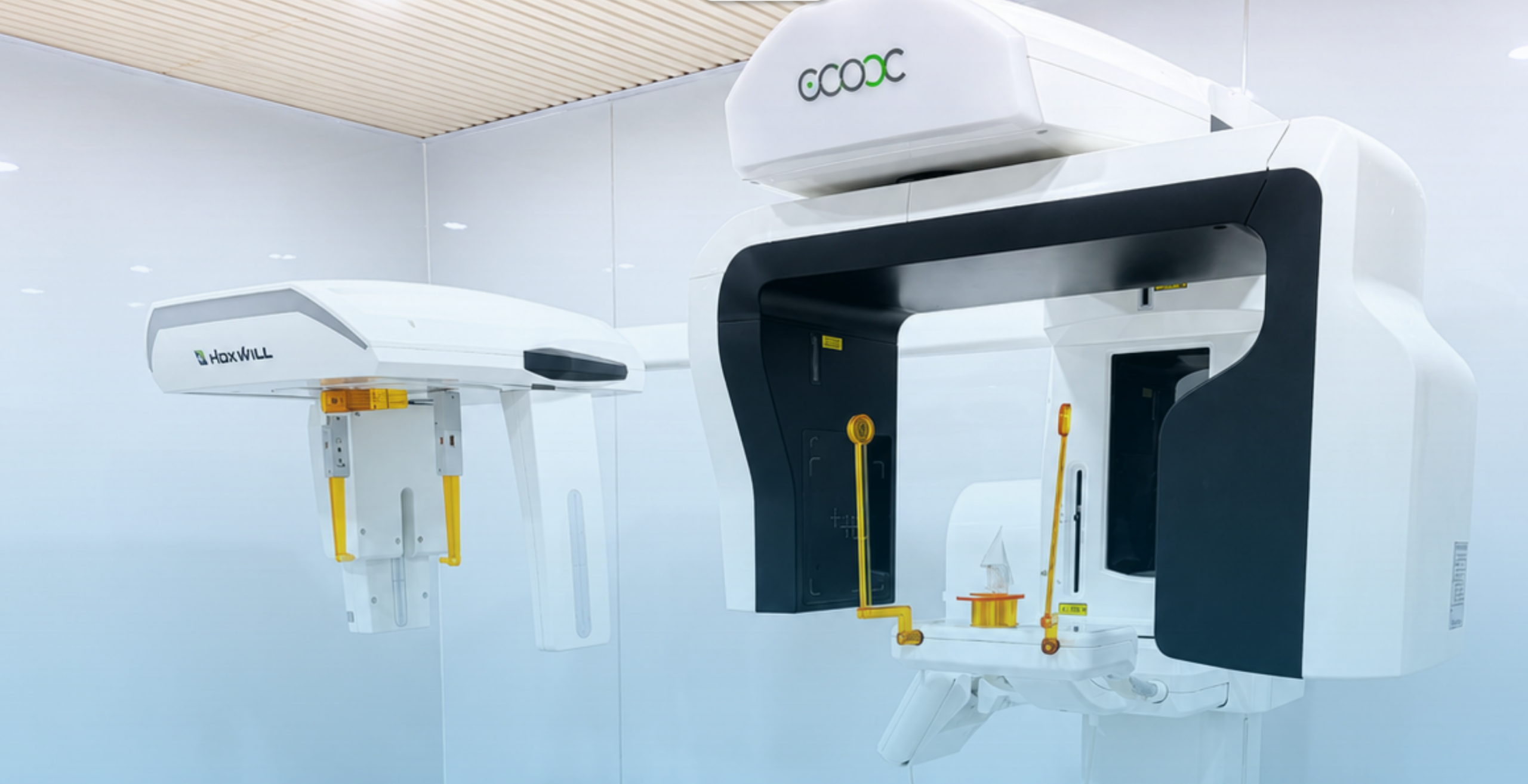
At Viet Nga Dental Clinic, the Cone Beam CT system in use is the HDX WILL — a digital diagnostic imaging system designed for dentistry, oral and maxillofacial applications, manufactured in South Korea.
2. How Is Cone Beam CT Different from Conventional Dental X-rays?
Conventional dental X-rays, such as periapical X-rays, provide two-dimensional images of the teeth and jawbone and are suitable for basic assessments, such as detecting tooth decay or evaluating relatively straightforward root conditions.
However, 2D images have limitations when structures overlap along the depth of the jaw.
Cone Beam CT addresses this limitation by reconstructing three-dimensional images
– allowing dentists to evaluate the jawbone, tooth roots, nerve pathways, and other important anatomical landmarks through multiple sections and viewing angles — information that may not be fully visible on conventional 2D X-rays.
3. When Is a 3D Cone Beam CT Scan Recommended?
Dental Implant Placement
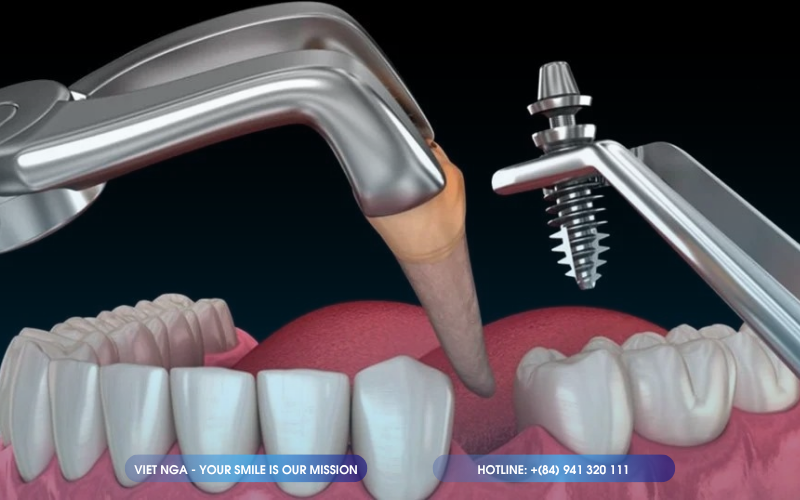
Before dental implant placement, the dentist needs to accurately assess the bone density, height, and width at the planned implant site, as well as the distance to important anatomical structures such as the inferior alveolar nerve or maxillary sinus.
Cone Beam CT provides detailed imaging that supports safer and more precise implant treatment planning.
Wisdom Tooth Removal
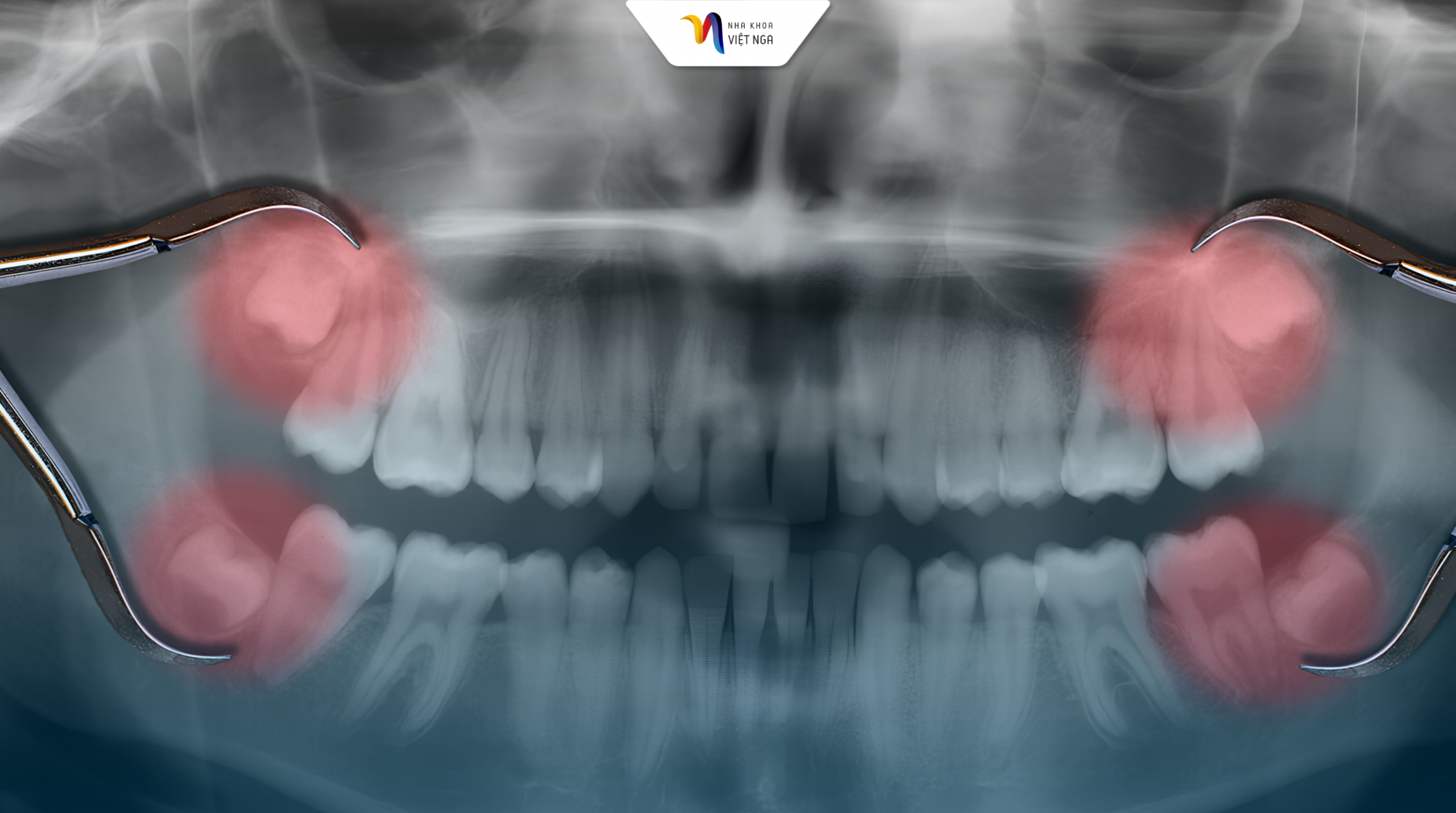
For impacted wisdom teeth or cases where the tooth is located close to the inferior alveolar nerve.
Cone Beam CT helps the dentist determine the tooth’s exact position, direction of eruption, and anatomical relationship with surrounding structures before deciding on the appropriate tooth removal approach.
Orthodontic Treatment
In certain complex orthodontic cases, Cone Beam CT may be considered to evaluate the alveolar bone structure, tooth root positions, or jawbone abnormalities that may affect treatment planning.
Overall Jawbone Assessment
In addition to the applications above, Cone Beam CT can also be used to assess the overall condition of the jawbone and identify certain underlying abnormalities that may be difficult to detect using conventional dental X-rays.
4. What Is the 3D Cone Beam CT Scanning Process Like?
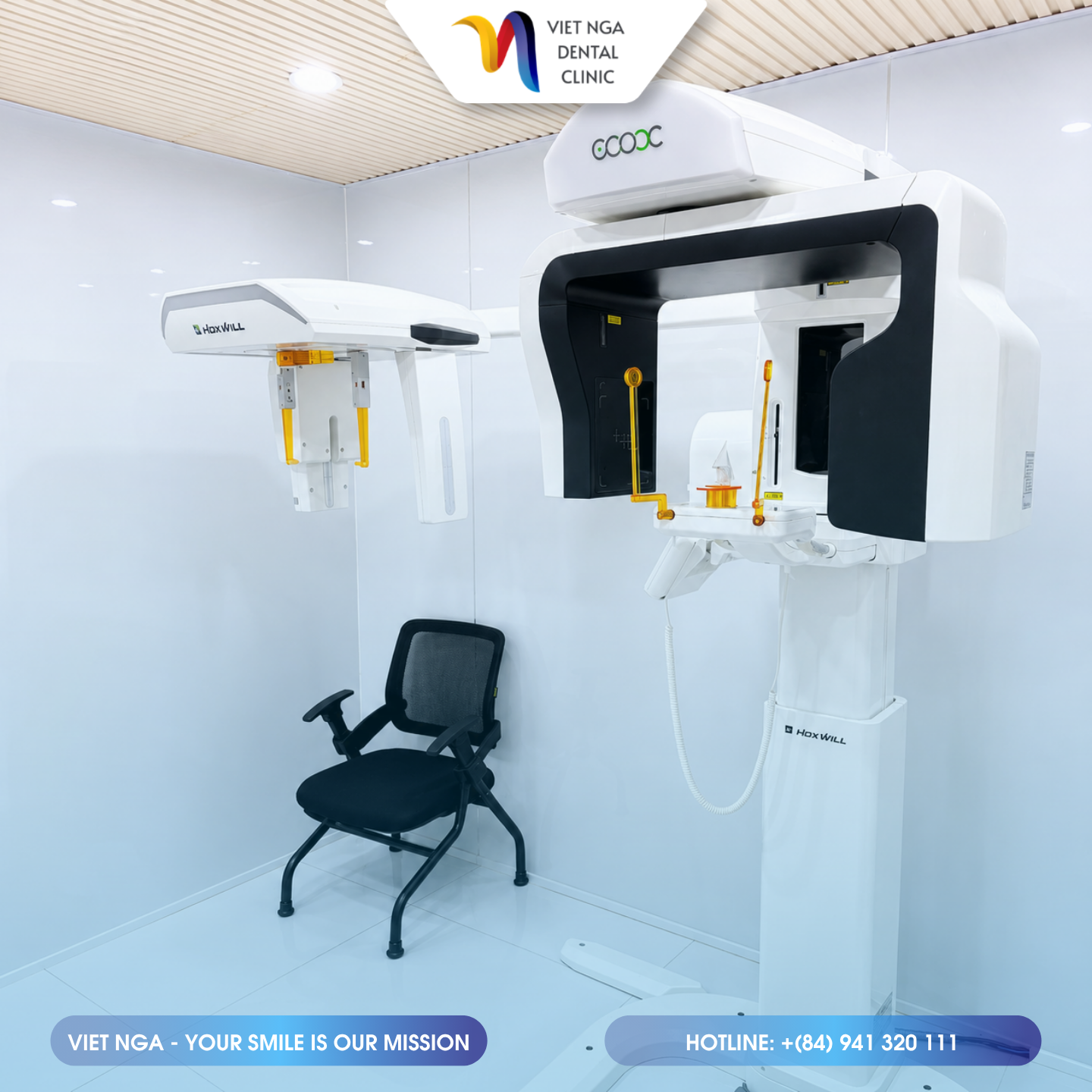
The scanning process is relatively simple and non-invasive:
- The patient stands or positions themselves as instructed by the technician and remains still throughout the scan.
- The machine rotates around the head and facial area to collect imaging data from multiple angles.
- The computer processes the data and reconstructs it into three-dimensional images for the dentist to analyze.
The scanning itself is quick, and patients do not typically experience pain or discomfort during the procedure.
5. Is 3D Cone Beam CT Safe?
Cone Beam CT uses X-ray radiation at a dose designed for dental diagnostic purposes.
It is a widely used diagnostic imaging technique in modern dental practices to support diagnosis and treatment planning.
As with any X-ray imaging technique, the decision to perform a scan should be based on an actual diagnostic need.
The dentist will recommend a scan when it is clinically relevant to treatment planning rather than using it routinely without a specific indication.
If you are pregnant or have any special health considerations, inform your dentist before the scan so they can provide appropriate guidance.
6. How Does Cone Beam CT Support Treatment Planning?
Images obtained from Cone Beam CT allow the dentist to assess the teeth and jawbone in greater detail, helping develop a treatment plan that is appropriate for each patient’s individual condition.
However, CBCT is a diagnostic aid — the final treatment outcome also depends on other factors, including overall oral health, treatment technique, and post-treatment care.
Cone Beam CT does not completely replace a direct clinical examination by a dentist.
7. Cone Beam CT vs. Cephalometric X-ray
These are two different diagnostic imaging techniques that can sometimes be confused based on their names alone:
- Cephalometric X-ray (lateral cephalogram): is a two-dimensional X-ray taken from the side of the head and face. It is commonly used in orthodontics to assess jaw relationships and the bite.
- 3D Cone Beam CT: is an imaging technique that provides comprehensive three-dimensional images and has broader applications, including dental implants, complex wisdom tooth removal, and overall assessment of jawbone structures.
Depending on the specific diagnostic purpose, the dentist will recommend the most appropriate type of imaging. Not every patient requires a Cone Beam CT scan.
8. 3D Cone Beam CT Scan Cost at Viet Nga Dental Clinic
| Service | Unit | Price |
|---|---|---|
| Cephalometric X-ray (lateral cephalogram) | Scan | 300,000 VND |
| 3D Cone Beam CT scan | Scan | 700,000 VND |
Why Choose Viet Nga for a 3D CT Scan Before Dental Treatment?
Viet Nga uses the HDX WILL Cone Beam CT system — a digital diagnostic imaging system designed specifically for dentistry and oral and maxillofacial applications.
It supports dentists in accurately evaluating the teeth and jawbone before procedures such as dental implant placement, wisdom tooth removal, or orthodontic treatment.
Comprehensive diagnostic imaging before treatment is an important step in developing a treatment plan that reflects each patient’s actual oral condition.
Book a consultation and 3D CT scan at:
Viet Nga Dental Clinic 01 — 113 Nguyen Van Troi Street, Vung Tau Ward — Hotline: 0941 320 111
Viet Nga Dental Clinic 02 — Chi Linh DIC Urban Area, D1 Nguyen Huu Canh Street (opposite Seaview 1) — Hotline: 0857 168 279
[Book a Consultation] · [Contact Viet Nga to Find Out Whether a 3D CT Scan Is Recommended for You]

FREQUENTLY ASKED QUESTIONS
1. How long does a 3D Cone Beam CT scan take?
The scanning process is quick and typically takes only a few dozen seconds to collect the necessary imaging data.
The total appointment time, including preparation, may take slightly longer depending on the clinic’s workflow.
2. Do I need to fast or prepare anything before a Cone Beam CT scan?
Cone Beam CT does not require fasting or any special preparation.
You may simply need to remove metal objects around the head and face, such as earrings, glasses, or removable dentures, before the scan as instructed by the technician.
3. Can pregnant women have a Cone Beam CT scan?
If you are pregnant, you should inform your dentist before undergoing any X-ray examination, including Cone Beam CT, so they can assess whether the scan is necessary and advise you on appropriate precautions.
4. Can a 3D CT scan completely replace a clinical examination?
No. Cone Beam CT is a diagnostic aid that provides additional detailed imaging information, but it does not replace a direct clinical examination by a dentist.
Treatment planning should always take both factors into consideration.