


What Is Root Canal Treatment? Does It Hurt?
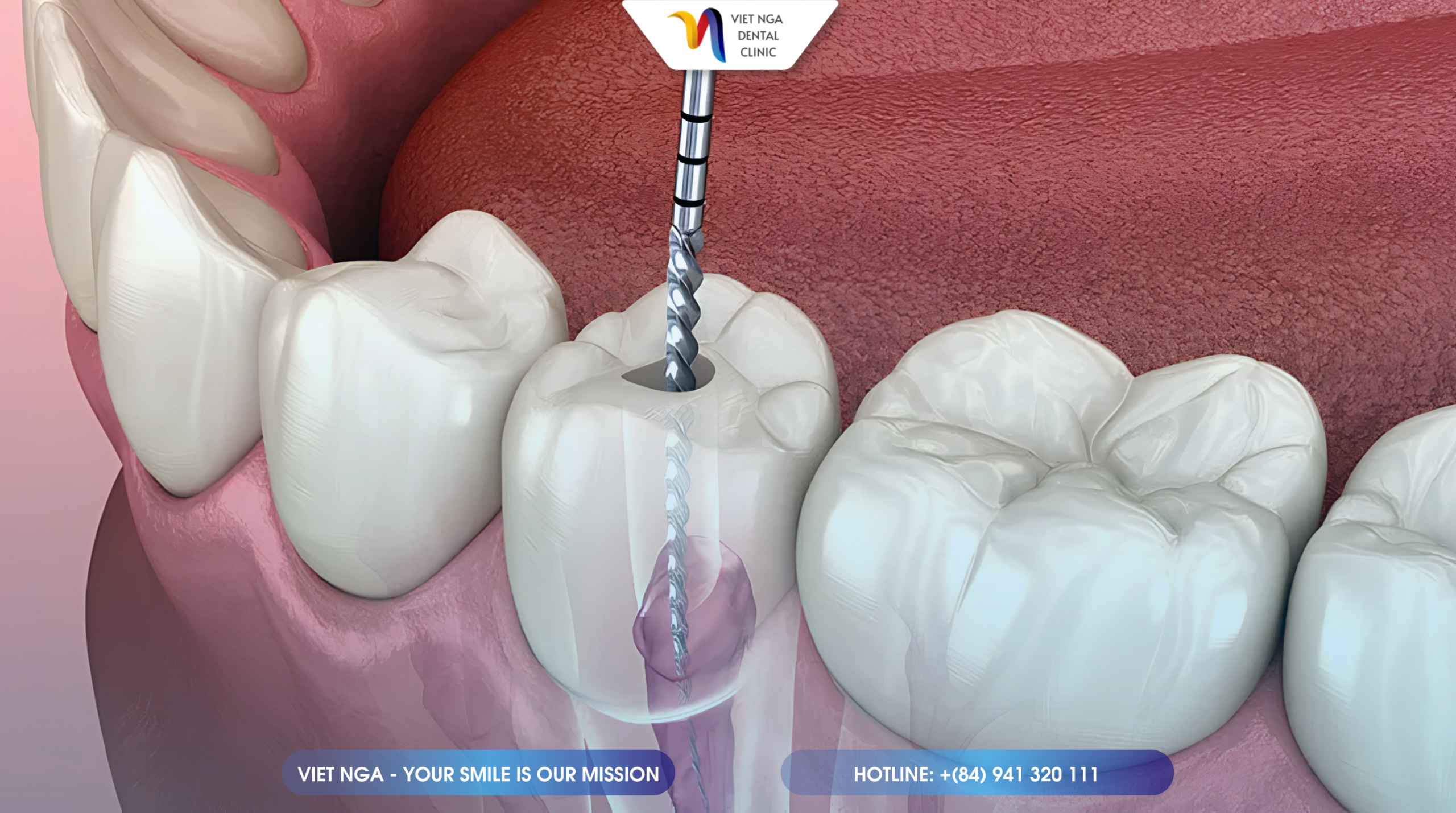
Root canal treatment is a dental procedure designed to preserve the natural tooth when the pulp inside the tooth becomes inflamed or infected, rather than requiring extraction.
It is one of the dental procedures that many people feel anxious about. However, with modern techniques, the treatment process is generally much more comfortable than many people expect.
1. What Is Root Canal Treatment?
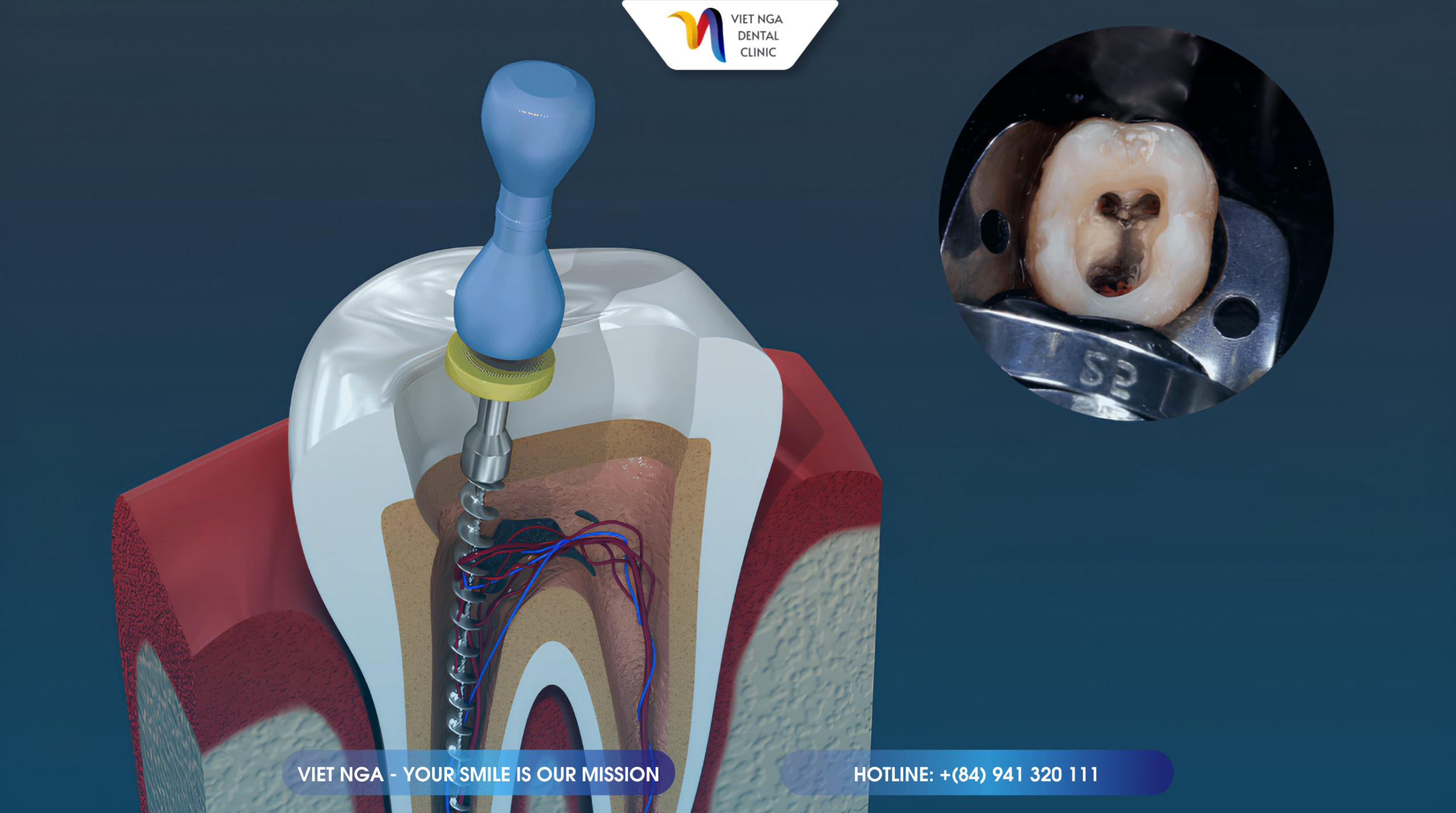
Dental pulp is the soft tissue inside a tooth that contains blood vessels and nerves. It plays an important role in nourishing the tooth during its development.
When the pulp becomes inflamed or infected due to bacterial invasion, it can cause persistent toothache. If left untreated, the infection may progress and potentially lead to an abscess or tooth loss.
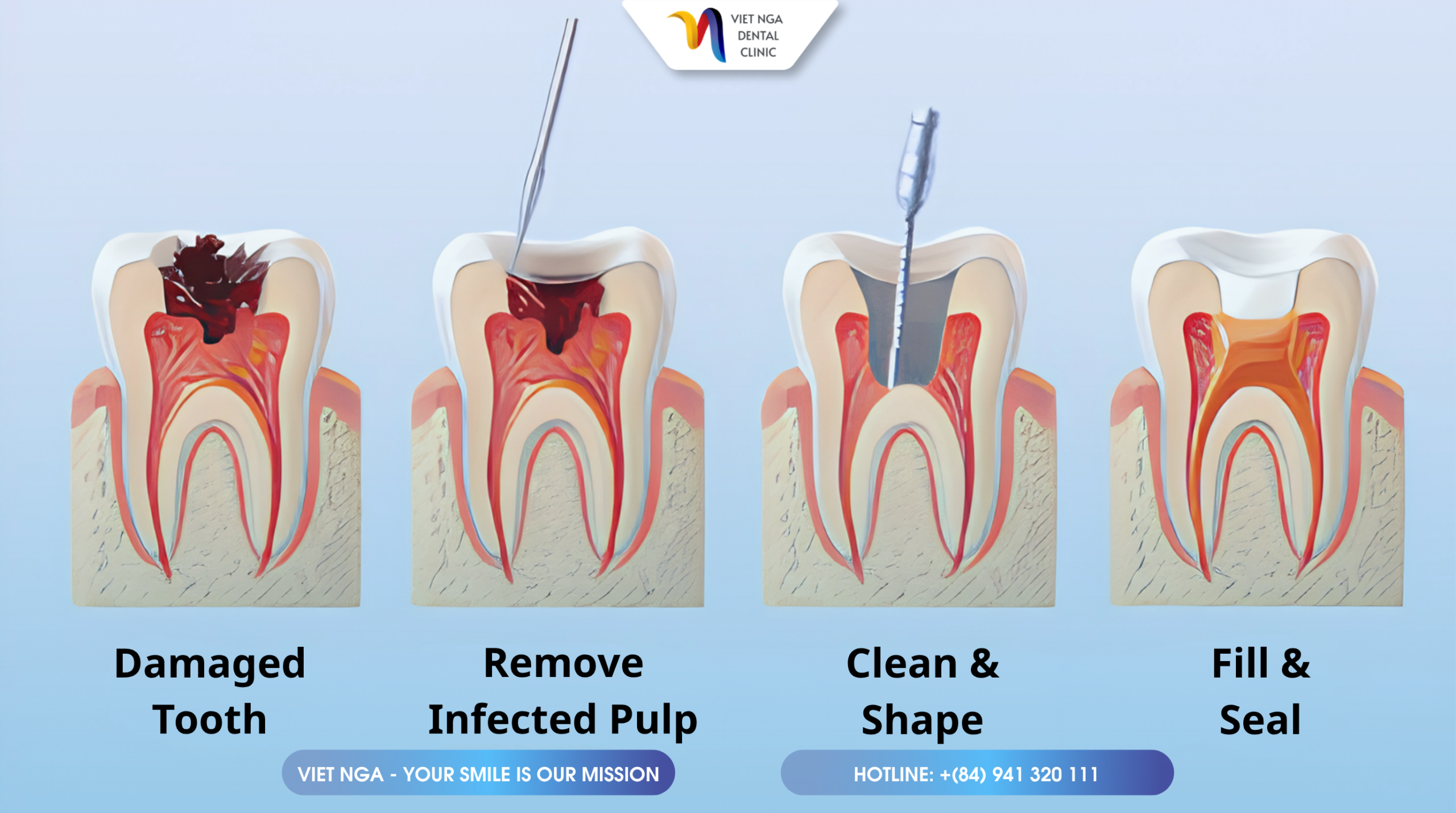
Root canal treatment involves removing infected or inflamed pulp tissue, cleaning and shaping the root canal system, and sealing it with a specialized material.
This helps eliminate the source of infection while preserving the natural tooth.
2. When Is Root Canal Treatment Necessary?
2.1 Deep Tooth Decay Reaching the Pulp
This is the most common cause. When tooth decay is not treated early, bacteria gradually penetrate through the enamel and dentin, eventually reaching the pulp and causing inflammation or infection.
2.2 Trauma Causing Pulp Exposure
A strong impact, accident, or dental trauma that causes a tooth to crack or fracture deeply may expose the pulp directly, allowing bacteria to enter.
2.3 Pulp Inflammation From Other Causes
In some cases, pulp inflammation may be associated with previous dental procedures performed on the same tooth or repeated damage accumulated over time.
At Viet Nga Dental Clinic, our dentists will assess the specific cause during your examination and recommend an appropriate treatment plan.
3. Common Signs That May Indicate the Need for Root Canal Treatment
- Persistent toothache, especially pain that becomes worse at night
- Pain when biting or chewing on a specific tooth
- Prolonged sensitivity to hot or cold, even after the stimulus has been removed
- Swollen gums around the tooth, sometimes accompanied by a small pimple or abscess near the root
- Darkening or discoloration of the tooth compared with surrounding teeth
If you experience one or more of these symptoms, you should visit a dental clinic for an examination as soon as possible to receive an accurate diagnosis and prevent the infection from becoming more severe.
4. Does Root Canal Treatment Hurt?
This is one of the most common concerns people have when considering root canal treatment.
In reality, the procedure is performed under local anesthesia, which helps minimize pain and discomfort throughout the treatment.
Some mild discomfort or sensitivity may occur after the anesthesia wears off or during the first few days following treatment, but it generally subsides gradually.
It is important to understand that the severe toothache many people experience is often caused by the inflamed pulp before treatment, rather than by the root canal procedure itself.
Delaying treatment because of fear of pain can allow the infection to worsen and may make the condition more difficult to manage.
5. What Does the Root Canal Treatment Process Involve?
Examination and Diagnosis
The dentist examines the tooth and may use X-rays or a 3D Cone Beam CT scan when necessary to accurately assess the root canal anatomy, extent of infection, and any impact on the surrounding bone.
Cleaning and Shaping the Root Canals
The dentist administers local anesthesia, accesses the pulp chamber, removes the inflamed or infected pulp tissue, and thoroughly cleans the root canal system.
Root Canal Filling and Sealing
Once the root canals have been cleaned and shaped, the dentist seals the root canal system with a specialized material to prevent bacteria from entering again.
6. How Long Does Root Canal Treatment Take?
The duration of root canal treatment depends on several factors, including the number of roots, the complexity of the root canal system, and the extent of inflammation or infection at the time of treatment.
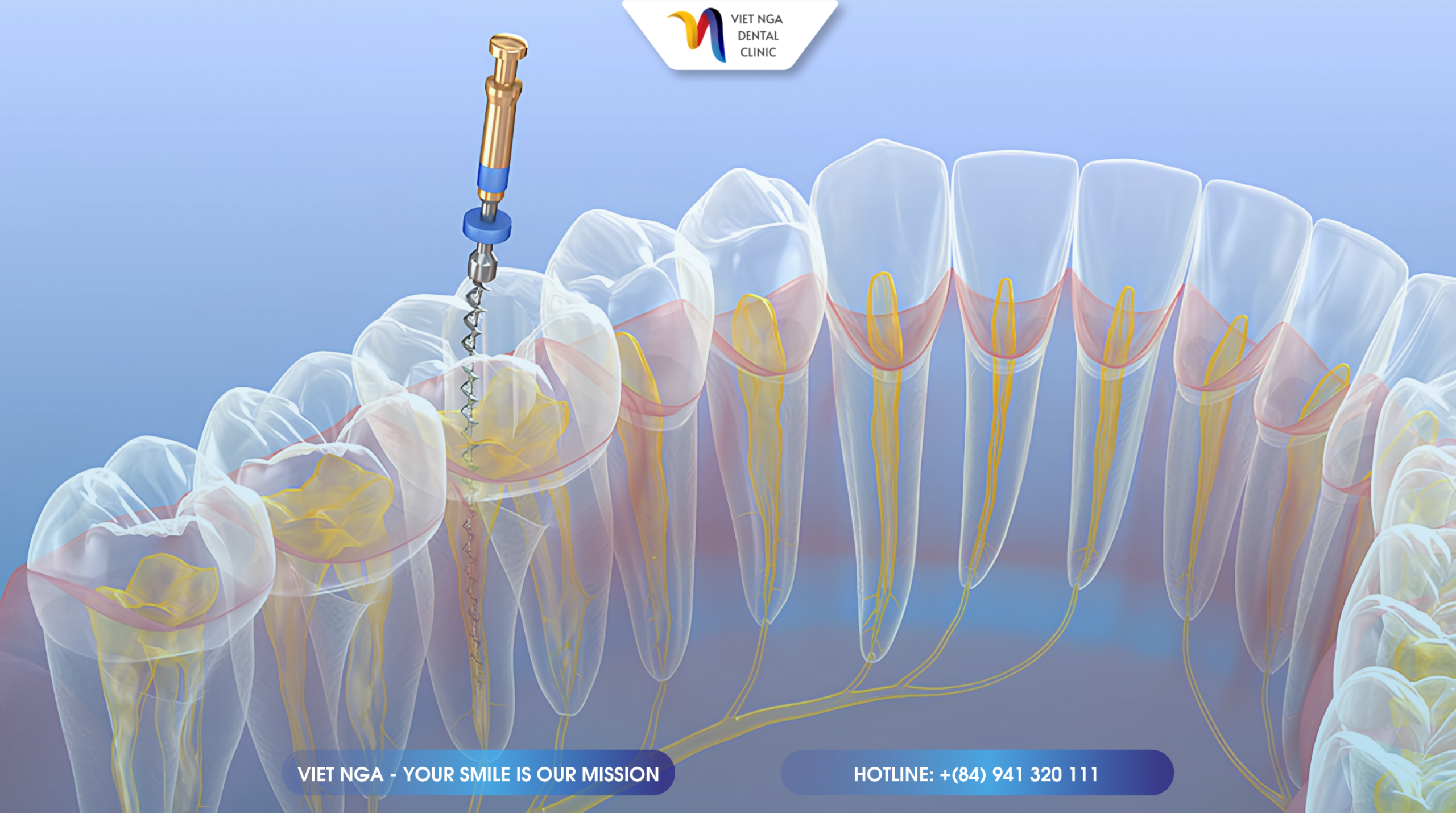
Teeth with multiple roots and complex root canal systems, such as molars, generally require more time to treat than front teeth.
Some cases can be completed in a single appointment, while others may require multiple visits to ensure appropriate treatment.
At Viet Nga Dental Clinic, our dentists will provide specific recommendations after a direct examination and diagnosis.
7. What Should You Keep in Mind After Root Canal Treatment?
Mild Sensitivity After Treatment
Some people may experience mild sensitivity or slight discomfort when chewing during the first few days after treatment. This usually gradually subsides and does not persist.
Why Should the Tooth Be Restored After Root Canal Treatment?
A root canal-treated tooth may become more brittle than a healthy tooth because it no longer has the living pulp tissue that supplied nutrients during its development.
Therefore, after root canal treatment, the dentist may recommend restoring the tooth with dental filling or a dental crown, depending on the amount of remaining healthy tooth structure.
This helps protect the tooth from cracking or fracturing during long-term chewing.
What Is Root Canal Retreatment?
In some cases, a previously treated tooth may become infected again because the root canal system was not thoroughly cleaned during the initial treatment, an accessory canal was not treated, or a filling or restoration became loose or developed a gap, allowing bacteria to enter again.
In such cases, root canal retreatment may be necessary to eliminate the new source of infection. Shit is generally more complex than initial root canal treatment and requires careful assessment of the existing root canal system before treatment begins.
8. Root Canal Treatment Cost at Viet Nga Dental Clinic
Root Canal Treatment (Based on the Number of Roots)
| Service | Unit | Price |
|---|---|---|
| Root canal treatment for a single-root tooth | Tooth | 700,000 VND |
| Root canal treatment for a two- or three-root tooth | Tooth | 900,000 VND |
Initial Root Canal Treatment (Based on Tooth Position)
| Service | Unit | Price |
|---|---|---|
| Root canal treatment for teeth #1, #2, #3 | Tooth | 1,200,000 VND |
| Root canal treatment for teeth #4, #5 | Tooth | 1,500,000 VND |
| Root canal treatment for teeth #6, #7, #8 | Tooth | 2,000,000 VND |
Root Canal Retreatment (Recurrent Infection)
| Service | Unit | Price |
|---|---|---|
| Root canal retreatment for teeth #1, #2, #3 | Tooth | 1,500,000 VND |
| Root canal retreatment for teeth #4, #5 | Tooth | 1,700,000 VND |
| Root canal retreatment for teeth #6, #7, #8 | Tooth | 2,500,000 VND |
Prices vary according to tooth position because molars (#6, #7, #8) generally have more roots and more complex root canal systems than front teeth, requiring more time and specialized techniques.
The dentist will confirm the applicable treatment cost after a direct examination.
Why Choose Early Root Canal Treatment at Viet Nga Dental Clinic?
Viet Nga focuses on accurate diagnosis before treatment, combining clinical examination with X-rays or 3D CT imaging when necessary to properly assess the root canal system before treatment begins.
Seeking treatment as soon as symptoms appear can help relieve discomfort sooner and improve the chances of preserving the natural tooth for the long term.
Book a consultation and root canal treatment at:
Viet Nga Dental Clinic 01 — 113 Nguyen Van Troi Street, Vung Tau Ward — Hotline: 0941 320 111
Viet Nga Dental Clinic 02 — Chi Linh DIC Urban Area, D1 Nguyen Huu Canh Street (opposite Seaview 1) — Hotline: 0857 168 279
[Book a Consultation] · [Contact Viet Nga for a Dental Examination]

FREQUENTLY ASKED QUESTIONS
1. Do I Need a Dental Crown After Root Canal Treatment?
Not every case requires a crown, but dentists often recommend a dental crown or another durable restoration for a root canal-treated tooth.
This is particularly important for molars, which are exposed to significant chewing forces, because teeth that have undergone root canal treatment may be more brittle and more susceptible to fracture.
2. Why Does a Tooth Sometimes Need Root Canal Retreatment?
Recurrent infection may occur if the root canal system was not thoroughly cleaned during the initial treatment, an accessory canal was not fully treated, or a filling or restoration developed a gap that allowed bacteria to enter again.
3. Can a Root Canal-Treated Tooth Last Long-Term?
Many root canal-treated teeth can remain functional for many years when properly restored and well cared for.
However, long-term durability depends on the extent of the original damage, the quality of the restoration after treatment, and regular dental check-ups.